


Dyes and Pigments
Dyes and Pigments Manufacturer for Industrial Applications, Replacement Sourcing & Custom Specifications
Dayang Chem (Hangzhou) Co., Ltd. manufactures and supplies dyes and pigments for pharmaceutical manufacturers, chemical producers, textile companies, plastics processors, coatings manufacturers, printing ink producers, research organizations, distributors and other industrial buyers worldwide.
Our dyes and pigments supply capability supports identified-product purchasing, replacement sourcing, second-source development, application-specific requirements and non-catalog requests based on available product references, technical specifications or existing application information.
The purchasing challenge for industrial colorants is not only finding a similar shade but identifying a material that fits the intended formulation and production process. A dye or pigment with a similar color name may have different solubility, dispersion behavior, compatibility or processing performance, making product identity and application requirements important when evaluating alternatives.
Buyers can begin with an identified material, an existing supplier reference, a technical specification or a defined application requirement rather than relying only on a general color description.
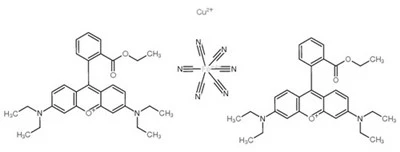
Dyes and Pigments for Different Industrial Purchasing Requirements
The categories below represent common purchasing routes. In practice, a colorant may be selected through chemical identity, application requirements or a combination of both depending on the information available.
Organic Dyes for Chemical-Specified Requirements
Organic dyes are commonly sourced according to chemical name, CAS number, purity, solubility profile or an established formulation specification. This approach provides procurement teams with a clear reference for quotation, comparison and repeat purchasing of an identified material.
Application-Specific Industrial Dyes
Industrial dyes may need to be selected according to solvent system, substrate, coloration method or finished-product requirements. Considering these factors helps avoid selecting a dye that appears suitable by color but does not perform properly in the actual production system.
Pigments for Plastics, Coatings, Printing Inks and Masterbatch Systems
Pigments are used in polymers, coatings, inks, masterbatches and other solid or binder-based systems where dispersion, opacity, color strength, heat resistance and compatibility influence final performance. Selecting according to the formulation helps reduce processing issues and unnecessary adjustments during production.
Specialty and Custom-Specified Colorants
Some colorants are defined by internal specifications, technical documents, samples or application targets rather than a standard product name. This provides a sourcing option for materials requiring additional technical identification beyond conventional catalog categories.
Product Categories and Common Sourcing Starting Points
|
Product Category |
Typical Buyer Starting Point |
Purchasing Use |
|
Organic Dyes for Chemical-Specified Requirements |
Chemical name, CAS number, purity, solubility or existing formulation specification |
Routine quotation and repeat purchasing of an identified material |
|
Application-Specific Industrial Dyes |
Solvent, substrate, coloration process or end-use requirement |
Selecting a dye suited to a defined production or coloration system |
|
Pigments |
Polymer, coating, ink, masterbatch or dispersion requirement |
Narrowing the search toward pigments compatible with the intended formulation |
|
Specialty and Custom-Specified Colorants |
Supplier reference, technical document, sample or internal specification |
Sourcing colorants defined by specific technical or application requirements |
Performance Factors Buyers Should Confirm Before Ordering
A commercially suitable dye or pigment must achieve the required coloration while remaining compatible with the buyer’s formulation, processing conditions and finished-product expectations.
Formulation and System Compatibility
Compatibility with the existing solvent, resin, binder, substrate or medium can reduce major formulation changes during product introduction. For dyes, this includes suitable solubility and incorporation behavior; for pigments, it includes compatibility with the relevant polymer or binder system.
Dispersion and Processing Behavior
Suitable dispersion performance can help reduce agglomeration, uneven coloration, surface defects and excessive processing adjustments. This is especially important for pigments used in coatings, printing inks, plastics and masterbatch production.
Shade and Color Strength Consistency
A colorant should maintain expected shade and strength under actual application conditions rather than only match a reference color visually. Better alignment between color performance and production requirements helps manufacturers maintain more consistent finished products.
Heat Resistance and Finished-Product Performance
Processing temperature, thermal stability and final-product requirements determine whether a colorant is suitable for commercial manufacturing. Confirming these factors before bulk purchasing helps reduce the risk of failure after production has started.
Replacement, Second-Source and Non-Catalog Colorant Sourcing
Dayang Chem supports sourcing situations where buyers need an additional supplier, a replacement material, a matched color reference or assistance identifying a product that cannot be located through a standard catalog search.
Second-Source Development
Buyers can investigate an additional source for an existing dye or pigment while maintaining the original technical target. This supports sourcing flexibility without requiring a complete redefinition of the material.
Replacement of Existing Supplier Materials
When a product is discontinued, difficult to obtain or unavailable from the current supplier, the existing material can serve as the reference for evaluating alternatives. The goal is to identify a product that fits the established technical and application requirements rather than simply finding a similar color.
Shade-Matching Projects
A reference sample, approved color standard or finished-product sample provides a clearer target for evaluating shade-matching options than a general color description alone.
Non-Catalog Requirements
Older materials, internal product codes, supplier references and incomplete commercial descriptions may require additional identification before sourcing. Available technical documents, samples or application details can provide the basis for evaluating a suitable sourcing route.
What Buyers Can Provide for Different Sourcing Situations
|
Existing Buyer Situation |
Useful Reference Information |
Purchasing Purpose |
|
Additional source for an existing product |
Product name, CAS number, supplier code or specification |
Supports second-source development without redefining the material |
|
Current supplier product is unavailable |
Old label, purchasing record, product code or technical sheet |
Helps identify the original material and investigate alternatives |
|
Existing color reference needs to be matched |
Reference sample, shade standard or finished-product sample |
Provides a clearer target for shade evaluation |
|
Pigment is used in plastics or masterbatch |
Resin type, processing temperature and dispersion requirement |
Helps identify pigments more suitable for the polymer system |
|
Dye is used in a solvent-based formulation |
Solvent system, substrate, concentration and application method |
Reduces the risk of unsuitable solubility or application behavior |
|
Product cannot be identified by standard name |
Sample, internal code, technical document or application description |
Creates a practical route for difficult-to-identify materials |
From Product Evaluation to Repeat Purchasing
For replacement and application-specific projects, the objective is not only to identify a similar colorant but to confirm whether the candidate can become a reliable material for ongoing production.
Application Trial and Production Compatibility Review
Candidate materials should be assessed according to the buyer’s formulation, application method and processing conditions. This provides a more realistic evaluation than comparing appearance alone and helps determine whether the product can enter an established production system.
Performance Comparison Against Existing Material or Target Requirement
Evaluation should consider shade, processing behavior, compatibility and finished-product expectations. This allows buyers to compare the candidate against the actual technical target rather than a simple color reference.
Confirmed Reference for Future Purchasing
Once a product has been accepted, the confirmed product identity, specification, quality documents and relevant production references can provide a basis for future purchasing discussions. This reduces repeated identification work when the same material is required again.
Founded in 2000, Dayang Chem operates an ISO 9001:2015 and ISO 14001-certified production facility with chemical development capabilities including route scouting, process optimization and custom chemical requirements. These capabilities support technically specified materials and difficult-to-source requirements that extend beyond standard catalog purchasing.

The required information depends on the sourcing situation:
Identified product: Chemical name, CAS number, product specification, purity requirement, COA or quality documentation, or existing purchasing information.
Replacement or second-source request: Current supplier reference, product code, technical document, purchasing record or available sample.
Application-specific requirement: Resin, binder, solvent, substrate, processing conditions, dispersion requirements or intended use.
Difficult-to-identify material: Internal code, technical document, sample, shade reference or available performance information.
Providing the most relevant information for the actual purchasing situation allows the appropriate identification, evaluation and sourcing route to be determined more efficiently.
Frequently Asked Questions
As one of the most professional dyes and pigments manufacturers and suppliers in China, we're featured by quality products and good service. Please feel free to buy customized dyes and pigments made in China here from our factory. For price consultation, contact us.